When we flip a light switch, charge our phones, adjust the heating or cooling of our homes we engage with the electrical grid. Poles and towers, wires and lines, power plants and substations quietly govern our modern lives. We don’t really notice how reliant we are on the electrical grid until it fails.
Relying on technical, policy, and communications experts, the mission of the Reliable Grid Project is to unpack how our modern grid works and how it could perform better given this century's challenges. We believe every one who has influence over how our grid operates should have access to facts and analysis that they can understand. The ultimate aim is to help foster a grid where the lights stay on, power bills don’t break the bank, and the system is secure and dependable even through extreme weather and periods of high power demand.
But what exactly makes a grid reliable in an age of power-hungry data centers, increasing volatile weather events, and advanced technology?
In our inaugural video, we give an overview of one of the most fundamental puzzles of the reliability equation: Balancing supply and demand in real time.
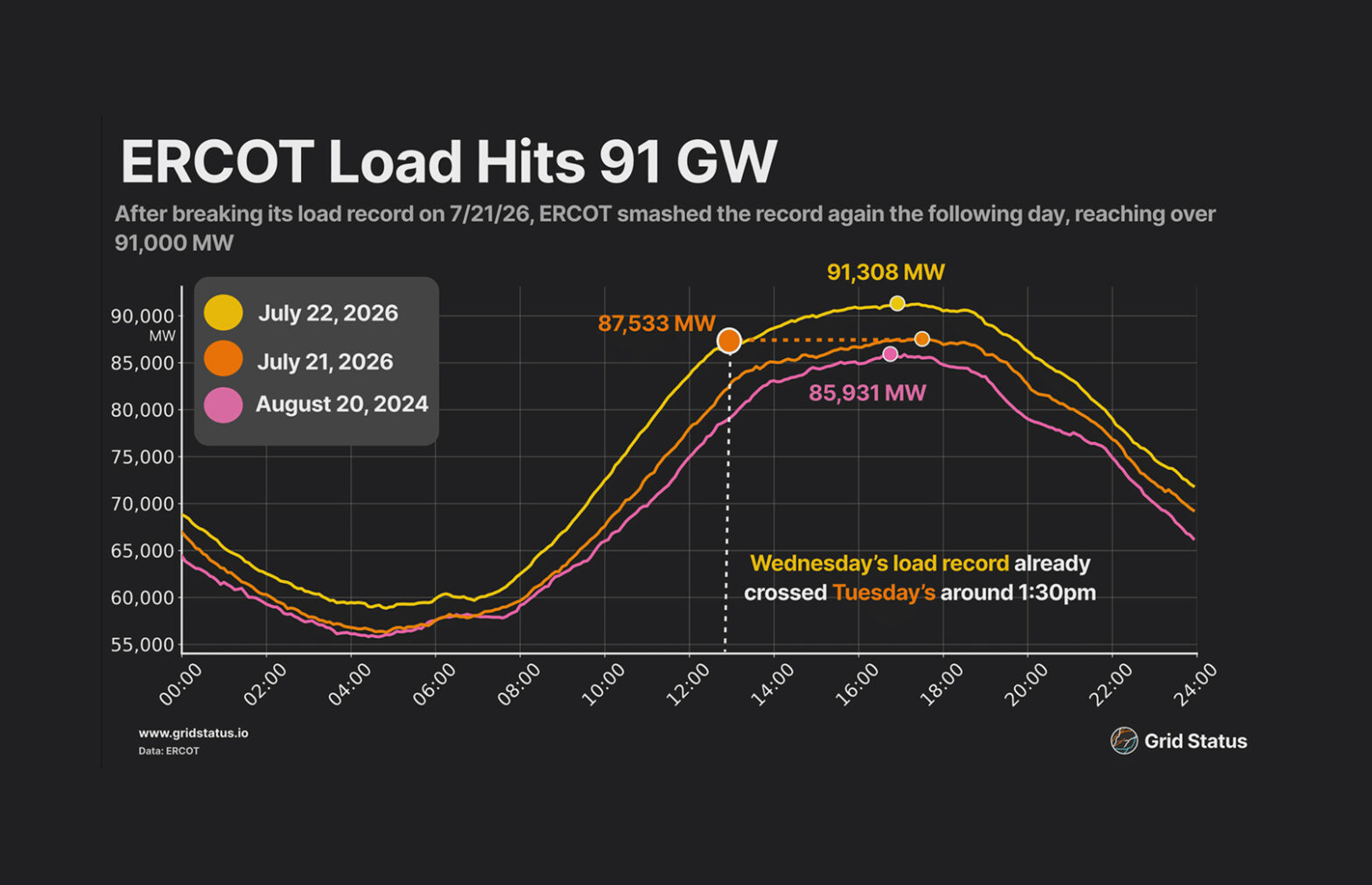
Electricity is different from many other commodities because supply and demand have to be balanced continuously. Customers turn appliances on and off, factories change their production, temperatures rise and fall, and regional conditions can vary from one minute to the next.
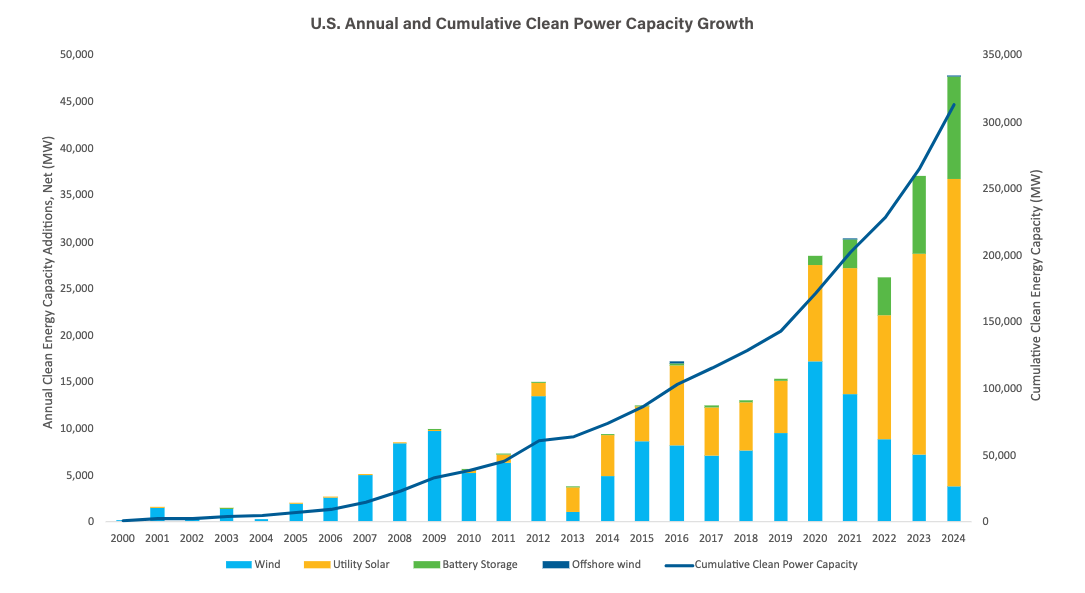
Grids around the country are supplied by a diversity of generation resources including traditional resources such as gas and oil, and modern renewable sources like solar, wind, and battery storage. In some of the nation’s biggest economic zones–including California and Texas–battery storage and renewable power from wind and solar constitute the vast majority of recently added capacity. This is in part because they are the cheapest and fastest to build, which is critical with demand rising from new energy-hungry users like data centers.
Grid operators constantly monitor system changes using demand forecasts, markets, controls, and reserves to keep the system in balance. Sophisticated technology and weather prediction models help authorities determine where and when to ramp up or decrease power.
The ability to flex power supply (ramp up or down as needed) is key, and a diversity of power resources helps provide that grid flexibility.
In U.S. regions that have a lower adoption of renewable energy and storage, particularly in the Northeast and Mid-Atlantic and Midwest, customers have recently seen sharp increases in energy bills, and limited reliability during heatwaves, extreme cold, and heavy storm events.
Our nation’s electricity system is a modern marvel but it is also aging and in need of substantial investment and thoughtful planning. To meet the nation’s energy needs, grid operators, regulators, power brokers, decision makers, and the media need access to leading energy experts and the most current scientific, technical, and policy resources. That’s where we come in.
Follow us on LinkedIn to receive timely data, explainers, and expert insights on building a reliable grid to meet the demands of today and the future.