Blog
PJM Summer Media Briefing Blog
At the July 30 Reliable GridThe electrical grid is a vast, interconnected network compri... Project media briefing, experts explored how record-breaking heat, surging electricity demand, and…
At the July 30 Reliable GridThe electrical grid is a vast, interconnected network compri... Project media briefing, experts explored how record-breaking heat, surging electricity demand, and…
Director
Consumers for a Better Grid Campaign
Citizens Utility Board (CUB) Illinois
Senior Policy Director
Advanced Energy United
Program Director
GridLab
At the July 30 Reliable Grid Project media briefing, experts explored how record-breaking heat, surging electricity demand, and the rapid expansion of data centers are testing PJM, the nation’s largest power grid operator. The discussion highlighted the latest capacity auction results, the impact on consumers, the importance of coordination between PJM and the 14 MidAtlantic and Midwestern states and the District of Columbia it serves, and what PJM can learn from the power grid in Texas.
Data Center Impact and the Role of States
Households across PJM have seen noticeable increases in electricity costs, driven largely by data center demand reflected in recent capacity auctions. The most recent capacity auction, a process to help ensure enough electricity throughout the PJM region, revealed a 6.8 GW shortfall for 2028/2029. That’s enough to power millions of homes, and it’s the second year in a row PJM has come up short. This gap is driven in large part by the rapid growth of data centers, which now account for nearly half of recent capacity charges, almost $30 billion.
Clara Summers, Director of the Consumers for a Better GridThe electrical grid is a vast, interconnected network compri... Campaign, a program of the Citizens Utility Board (CUB) of Illinois, explained that it is challenging for states to ensure that data center costs are properly identified and allocated. She emphasized that “No state is completely prepared to handle the cost increases resulting from the auction that will start in June 2027.”
Due to the unprecedented level of coordination now required between PJM and its member states, Summers underscored the importance of collaboration. “One thing we’ve been saying throughout this whole process is that PJM and the states need to be working together better.”
Jon Gordon, Senior Policy Director at Advanced Energy United, underscored the urgency of PJM’s reliability challenges as electricity demand hits record highs. He noted that PJM experienced its highest electricity use since 2006 on July 2, 2026.
To address these challenges, Gordon explained that PJM has released new reform plans, describing them as “a means of dealing with this unprecedented data center growth and other near-term market challenges, as well as a tool for protecting ratepayers from data center-related costs.”
The success of these reforms will depend on clear cost assignment, strong state action, and ongoing collaboration between PJM and the states. Gordon emphasized, “To solve all these problems, we have to get new supply online quickly.”
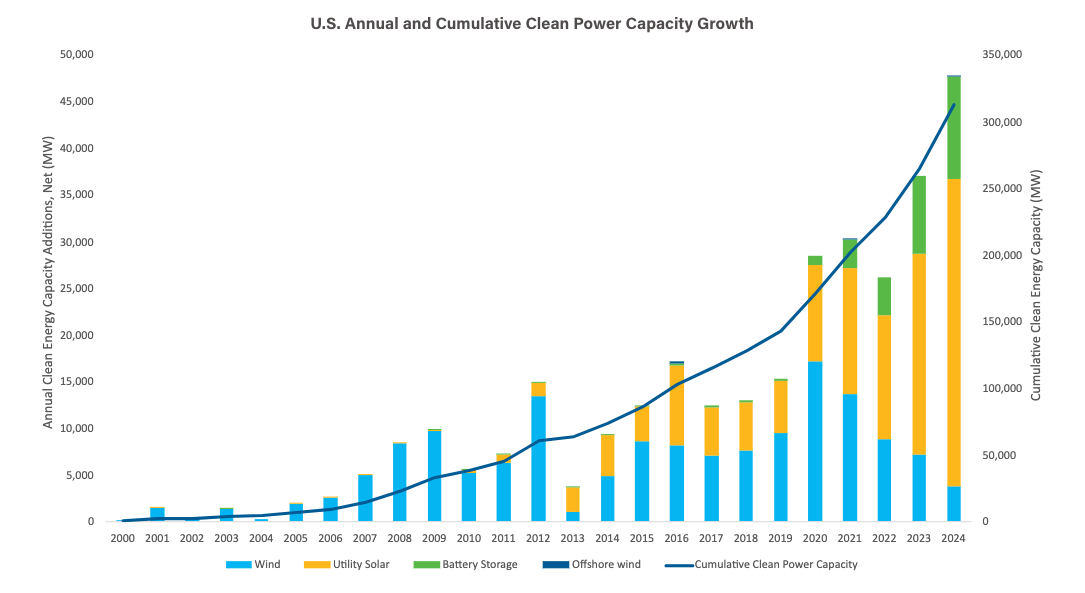
Gordon pointed out that solar power and programs that pay people to use less electricity during peak times helped PJM avoid blackouts this summer. However, with some planned wind projects canceled, the gap between supply and demand is even more significant.
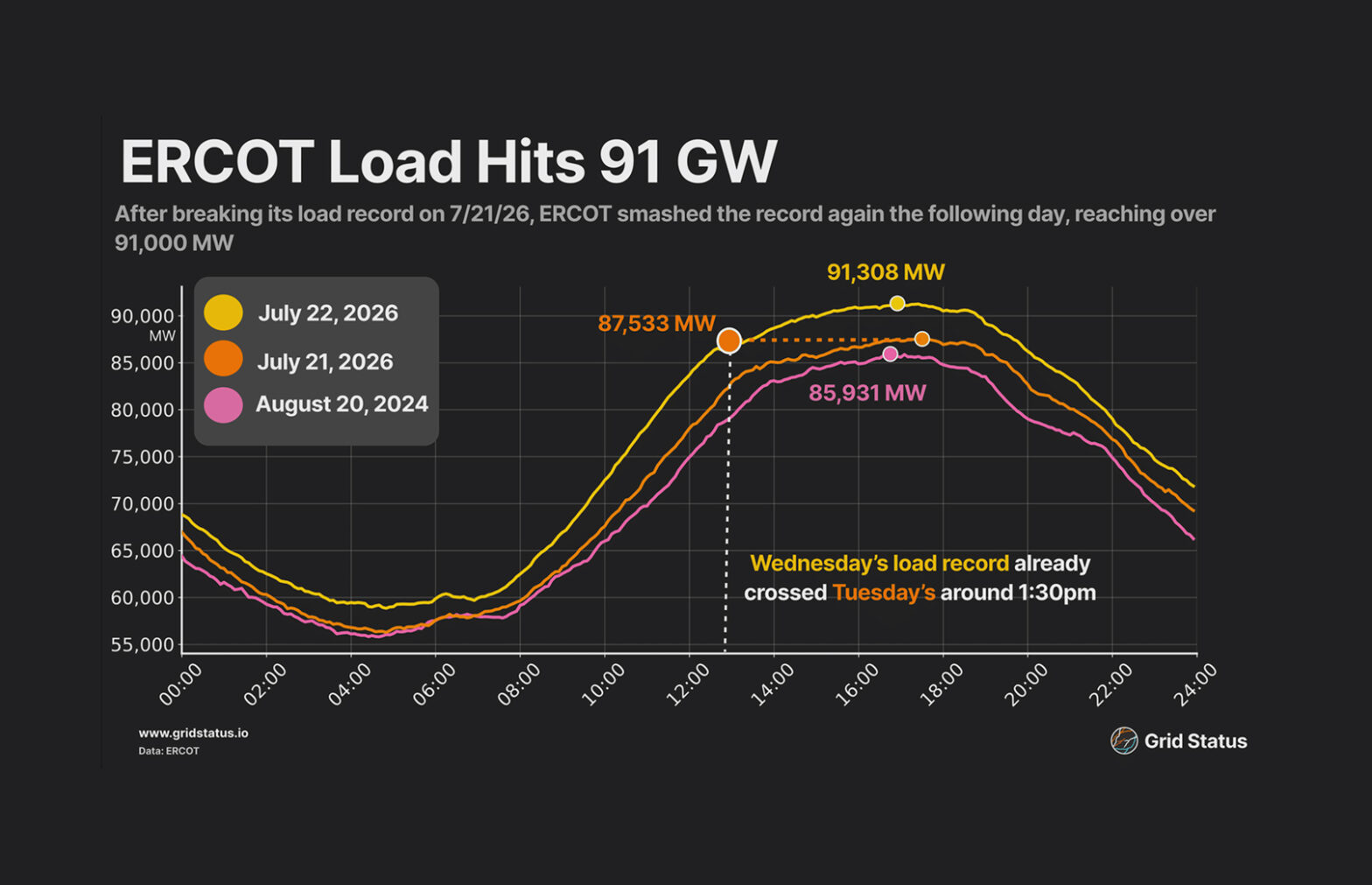
The power grid in Texas, ERCOT, has a different approach than PJM. In Texas, solar energy made up more than 30% of the electricity used during the hottest days in July, and the state didn’t have to send out warnings or raise prices. Nikhil Kumar, Program Director at GridLab, explained that Texas connects new power projects, such as solar and batteries, to the grid quickly rather than requiring lengthy studies and upgrade processes.
Kumar said, “Solar, storage, and hybrids, which is the combination of solar and storage, are still the fastest way to get online. Texas is proving it’s doable.”
In contrast, PJM’s process for connecting new power is slower and more complicated, which adds both time and cost. “PJM’s problem is not that clean projects are too slow to build. It’s that grid access is too slow to grant. It is adding costs, and more importantly, it is adding time waiting for PJM to do its analysis.”
PJM’s July 30 media briefing illustrated the impact of challenges, including the fast-growing electricity needs of data centers, delays in connecting new power sources, and the need for PJM and state governments to coordinate on who pays for new investments and how the market should work. This coordination could include exploring ways to keep costs down, such as speeding up interconnection for new power sources, making sure large users of electricity pay their fair share, and reforming market rules to encourage more affordable and reliable energy options. The speakers emphasized that learning from Texas’s rapid deployment of renewable energy sources and battery storage while also ensuring that large users cover their costs are critical for PJM’s future.
For more insights, see the full recording and slides from the July 30, 2026, briefing, or contact Julie Theado at [email protected].