
Program
Director GridLab

Director
Advanced Energy United

Campaign Manager
Citizens Utility Board (CUB) Illinois,
Consumers for a Better GridThe electrical grid is a vast, interconnected network compri... Campaign
On December 9, 2025, the Reliable Grid Project hosted a media briefing on the latest PJMA non-profit organization that manages the electricity grid ... capacityThe maximum amount of power an energy source can physically ... market auction results and the challenges facing the region’s electricity grid. Experts highlighted key issues, including delays in bringing new energy sources online, surging demand from data centers, and the impact on affordability and reliabilityA characteristic of the whole electricity system to describe... for consumers.
Capacity Market Auction Hits Price Cap
The recent PJM capacity market auction concluded at the $333.44 per megawatt-day price cap, which was set by a settlement negotiated by Pennsylvania Governor Josh Shapiro. John Gordon, Director of Advanced Energy United, explained the cap was implemented to mitigate skyrocketing capacity market prices, which had previously led to a 20% increase in bills.
Without the cap, prices were projected to exceed $500 per megawatt-day, further burdening households and businesses. The cap is set to expire before the next auction in June 2026, raising concerns about even higher electricity costs.
“The capacity market ensures powerThe rate of transfer of energy. It's essentially how quickly... plants are ready and available to meet peak electricity demand that we have during the hottest days of summer, for example, when all air conditioners are running, and businesses are operating,” Gordon said. “There is the potential for a significant price increase in the next auction if there is no intervention.”
Data Centers Driving Demand and Costs
Another pressing issue discussed was the rapid growth of data centers, which are being built at a pace that exceeds the grid’s ability to balance supply and demand. This timing mismatch is creating a strain on the grid and driving up electricity costs for consumers.
“Data centers are extremely large, some of them are as large as small cities, and they can be built in as little as two to three years, whereas building a power plant today to support their needs could take as long as five to seven years,” said Gordon.
Clara Summers, Campaign Manager for Citizens Utility Board (CUB) Illinois and the Consumers for a Better Grid Campaign, highlighted the financial impact of data centers on consumers. “The independent market monitor for PJM showed that 70% of this past year’s increase in electricity costs was the result of data center demand,” she said. “By 2028, households could see an additional $70 per month on their electricity bills due to this demand.”
Interconnection QueueThe line in which power generation and transmission projects... Backlog and Supply Challenges
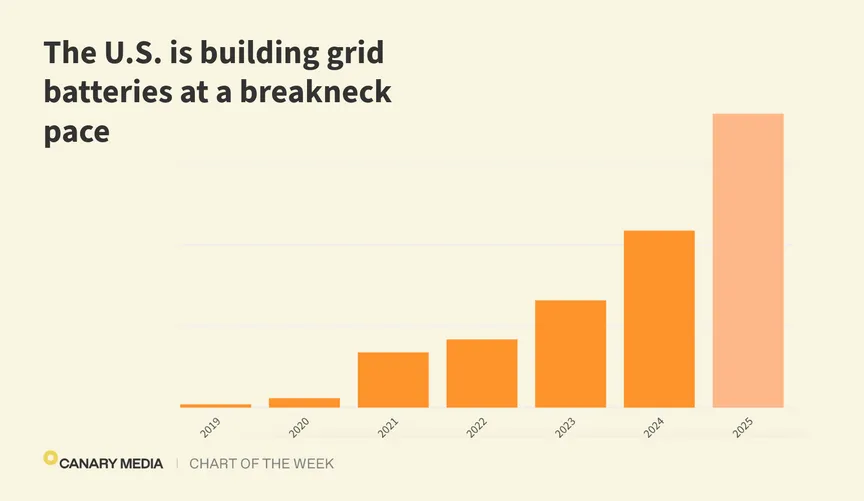
Another major challenge is the long line in PJM’s interconnectionThe process of connecting new power sources, like renewable ... queue(see: Interconnection Queue), which has delayed the addition of new energy generationThe process of creating electricity. projects, many of which are renewable resources. Some projects have been stuck in the queue for years, and the backlog has prevented new capacity from coming online to meet growing demand. Experts estimate that even a modest increase in renewable energy capacity paired with battery storageA technology that stores electrical energy in rechargeable b... could have saved consumers billions of dollars in the recent auction.
Nikhil Kumar, Program Director at GridLab, emphasized the need for reforms to address these delays and pointed to Texas as an example of the benefits of adding renewable energy resources.
“The interconnection process is broken and needs to be fixed quickly,” he said. “Texas has shown that adding energy resources like solar, wind, and batteries can significantly reduce grid risks and costs. PJM must act swiftly to bring these projects online.”
Kumar also noted, “If just 10% of the interconnection queue was on the grid during the auction in July, that would have saved $3.5 billion from the auction.”
Calls for Reform and Accountability
Recognizing the impact of data center demand, PJM has initiated an accelerated stakeholder process called the Critical Issue Fast Path (CIFP). This process aims to address how data centers can connect to the grid without overwhelming the system or causing significant cost increases for consumers. Proposals include requiring data centers to pay for their own new capacity and improving loadThe amount of power or electricity consumed by a device or s... forecasting to ensure accurate projections of future demand.
Creating a More Reliable, Affordable Grid
As PJM prepares for its next capacity auction in June 2026, the expiration of the current price cap and ongoing challenges with data center demand and interconnection delays could lead to even higher costs and reliability risks.
Gordon noted, “PJM can’t get supply online fast enough. Building a new power plant today is facing significant supply chain delays, and PJM is really struggling to get supply in place quickly enough to meet this data center demand, which is coming fast and furious.”
Summers added, “Data centers want to connect to the grid as fast as they want to, and they should be able to do that, but not without overwhelming the system and not without creating incredible costs for the rest of us.”
For a recording of the briefing or for more information on the challenges facing PJM’s 13-state region and Washington, D.C., please contact [email protected].