Statement by Sarah Hinde, Reliable GridThe electrical grid is a vast, interconnected network compri... Project
(September 29, 2025) — Today the Environmental Protection Agency, the Department of the Interior, and the Department of Energy announced a set of actions aimed at keeping outdated and expensive power plants running past their lifespan, including $625 million in funding to support and expand U.S. coal industry.
The officials cited a flawed Energy Department resource advocacy study – which overestimated load growth and undercounted new generation and the flexible use of wind, solar and battery storage – to justify this move to expand coal despite its high costs and low return on reliability. A study from Energy Innovation found that 99% of coal plants are more expensive than renewable energy plants.
Below is a statement by Sarah Hinde, executive director of the Reliable Grid Project.
“At a time when more than half of Americans are struggling to make ends meet, these actions invest in expensive, inefficient power plants that will continue to raise peoples’ energy bills while doing little to ensure long-term grid reliability.
“Secretary Burgum points to PJM as evidence of coal’s success this past summer, despite millions of residents seeing dramatic price hikes with no notable improvement in grid reliability. Instead of investing in cheaper, more reliable energy sources such as fast-to-build solar energy and battery storage, these actions keep some of the least economical and most unreliable plants sputtering along.”
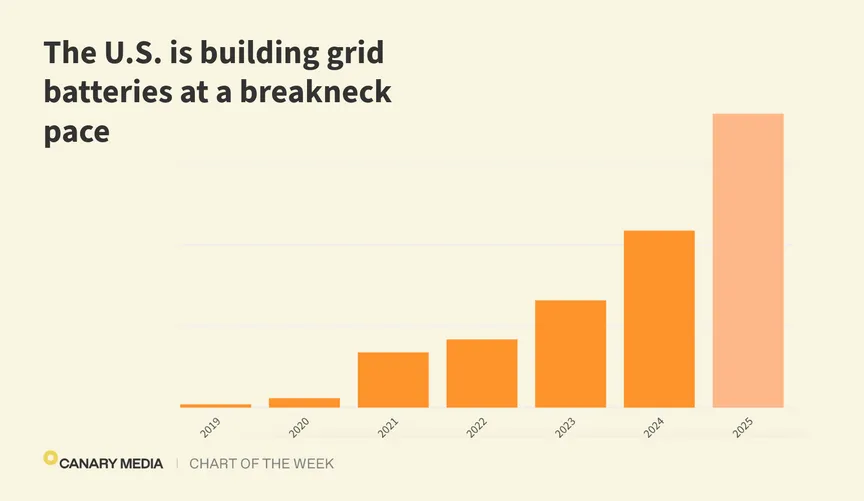
The most proven path to a better grid is adding cost-effective and superior power sources, such as wind, solar and battery storage, online as quickly as possible. For additional context, please see this blog on the flawed DOE resource adequacy report from Advanced Energy United as well as a critical analysis of the DOE report from GridLab.