WASHINGTON, DC — Beginning June 1, millions of electricity customers across the Mid-Atlantic and Midwest served by PJM Interconnection are expected to see higher electric bills as utilities begin recovering costs tied to last year’s summer capacity auction, according to energy experts and publicly available market data.
The price increases come as the grid enters the summer season amid rising electricity demand, extreme heat and growing concerns about whether the nation’s largest grid region is adequately prepared for rapid load growth from large new customers, including data centers.
PJM’s capacity market is intended to ensure sufficient power supply is available during periods of peak grid demand. After prices surged to record levels for the 2025-26 delivery year, last summer’s auction added roughly $2 billion in costs compared to the previous year, on top of already elevated prices. Capacity costs in the PJM region increased by roughly $12 billion last year, prompting utilities across the region to raise rates in summer 2025.
Consumers will collectively pay $16.1 billion for electricity capacity during the 2026-27 delivery year, up from $14.7 billion the previous year.
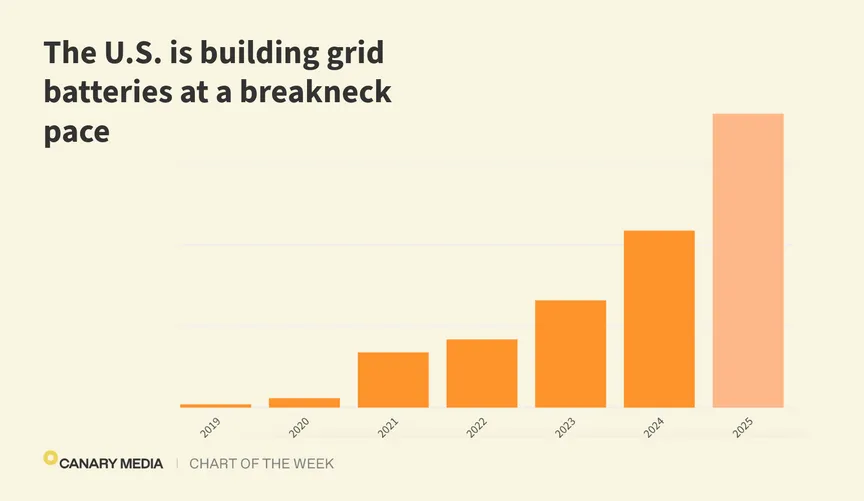
While capacity costs are only one factor of a household’s monthly power bill, experts say the latest auction means many customers are unlikely to see meaningful relief this summer. Multiple factors are contributing to affordability and reliability concerns across the PJM region, including transmission planning delays, slow interconnection of new generation resources, undervaluing battery storage, aging thermal power plants and rapid growth in electricity demand.
Independent experts, including PJM’s own market monitor (IMM), have warned that existing market rules were not designed to manage an influx of large electricity users competing in the same procurement system as residences and small businesses. Several states are now exploring policy options aimed at safeguarding consumers from disproportionate cost burdens.
As summer temperatures rise, reliability authorities have warned that maintaining reliability will require careful coordination amid tightening supply and demand conditions. Recent warnings from the IMM and the North American Electric Reliability Corporation (NERC) have highlighted the challenges facing the region as demand continues to grow.
“The current arrangement is not sustainable,” said Sarah Hinde, executive director of the Reliable Grid Project. “Families and businesses are entering another summer of higher electricity costs while basic questions about reliability, accountability and who pays remain unresolved. The best time to prepare for today’s electricity crunch was years ago. The second-best time is now. That means better planning, bringing reliable generation resources online such as wind, solar and batteries, and making sure costs are allocated fairly.”
The Reliable Grid Project is a national network of technical experts, consumer advocates, and policy communicators committed to delivering the most current non-partisan, fact-based information about the nation’s energy supply. Our mission is to support the build-out of a reliable, resilient, and affordable energy system by equipping media, regulators, and decisionmakers with evidence-based resources that are free of misinformation and political bias.
Visit ReliableGrid.org for more information.